September 18, 2026
Minneapolis robotaxis may have to keep a driver: they will get access to the brakes
On 11 September 2026, four Minneapolis City Council members proposed placing a licensed driver in every commercial autonomous vehicle. The driver must have access to steering, braking, and acceleration, and be paid no less than the minimum wage.
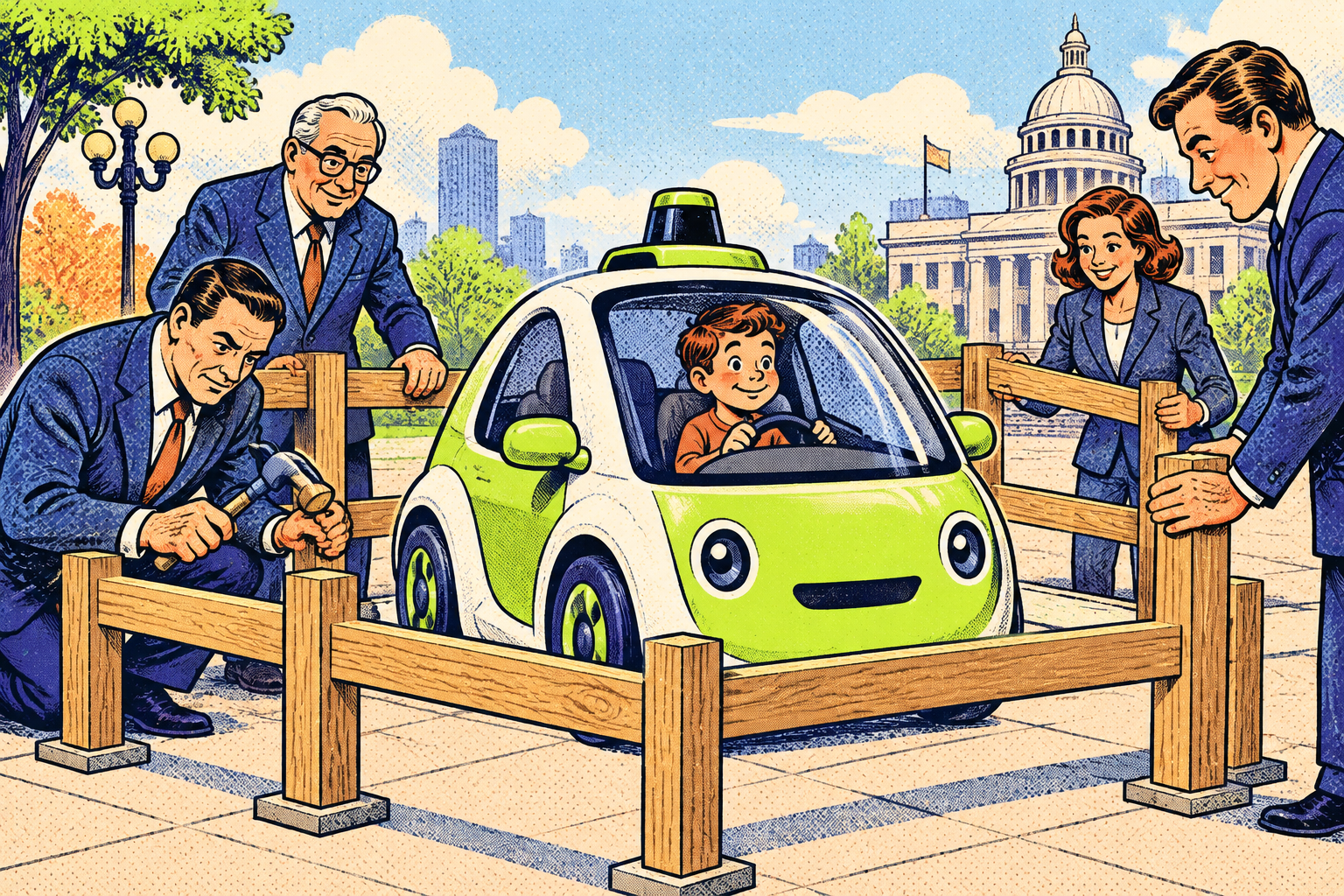

Waymo began testing its fleet in Minneapolis in November 2025: it had fewer than 10 vehicles, and city data and maps were collected with a driver behind the wheel. As of September 9, 2026, Waymo had not yet carried passengers without a driver.
Why the proposal exists. The proposal requires a city license for commercial autonomous vehicles and bans remote operation. Its authors say they want to protect more than 10,000 ride-hailing drivers, mostly immigrants and racial minorities. Waymo called the regime a de facto ban on autonomous vehicles and is pushing for driverless rides.
The next milestone. Public hearings will take place on September 22 and 29, 2026, a possible vote is scheduled for October 1, and if adopted, the proposal will take effect in October 2027. Mayor Jacob Frey has not endorsed it and said he will seek to expand robotaxis at the state level.
Minnesota does not yet have dedicated laws on autonomous vehicles, and measures considered in 2026 were not adopted. No other U.S. city has proposed or adopted a similar requirement, although lawmakers in 25 states have introduced more than 65 bills. As of September 16, 2026, Waymo had about 4,000 driverless vehicles in 15 cities, up from 700 at the start of 2025.
A possible vote is scheduled for October 1, 2026, and if adopted, the proposal will take effect in October 2027.