September 19, 2026
AI reaches old vulnerabilities: Gemini finds a Chrome sandbox escape after 13 years
In September 2026, Microsoft fixed a record 974 CVEs, and 2 of them had already been exploited before the updates were released. Earlier this year, Google's Gemini agent found a Chrome sandbox escape that had remained in the code for more than 13 years. On 21 April, Mozilla reported that Opus 4.6 helped fix 22 vulnerabilities in Firefox 148, while an early Claude Mythos Preview identified 271 vulnerabilities for Firefox 150.
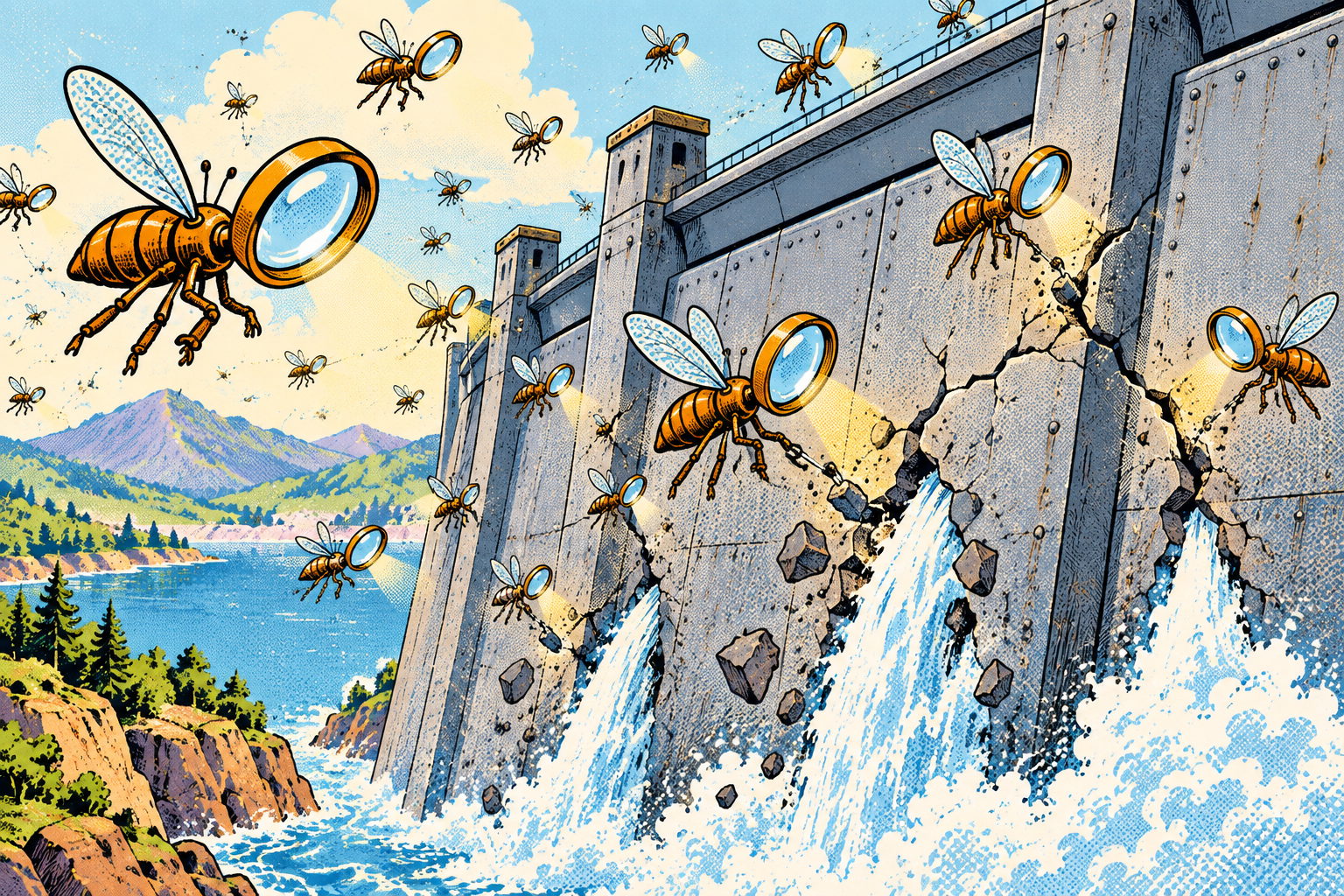

While AI labs discuss an industry agreement to slow development, publicly available chatbots are already helping find bugs in code.
Scale. In July 2025, Oracle released 309 security patches. In July 2026, the number reached 1448. Two major Chrome releases in June fixed 1072 security bugs, more than the previous 23 major releases combined.
Operational setup. Chrome is piloting security updates twice a week. For enterprise environments, Google recommends the RelaunchNotification and Extended Stable Channel policies. Chrome's internal AI scans run on isolated machines without shared internet access, with an allowlist for network requests and no unrestricted mode.
Verification threshold. On 11 May, NCSC reported at least 40 thousand CVEs for 2025. CISA KEV contained around 400 vulnerabilities exploited in the wild, including around 40 zero-days. NCSC recommends starting AI-driven discovery from the external attack surface and having people verify the results.
Getting started. 0DIN AI Scanner can be installed with `curl -sL https://raw.githubusercontent.com/0din-ai/ai-scanner/main/scripts/install.sh | bash`. Manual installation requires `.env`, `SECRET_KEY_BASE`, `POSTGRES_PASSWORD`, `ADMIN_INITIAL_PASSWORD`, and `docker compose up -d`.
The next milestone is already set: Chrome is piloting security updates twice a week.
Source